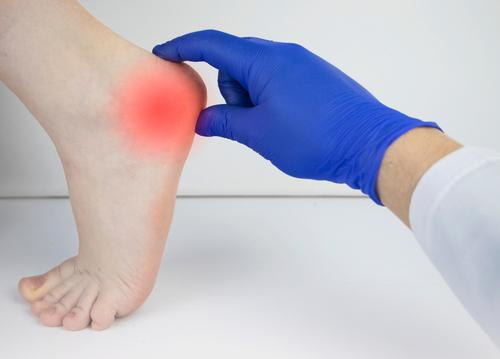
Heel pain can affect daily movement, limit activity, and interfere with overall comfort. Because the feet support the body during every step, changes in activity level can place added stress on the heel and surrounding structures. At Warner Robins Foot and Ankle in Warner Robins, GA, Dr. Larry Goldstein provides specialized care to evaluate and treat heel pain so patients can stay active and comfortable.
Common Causes of Heel Pain Related to Activity
Many cases of heel pain are linked to changes in physical activity. A sudden increase in walking, running, or standing can strain the plantar fascia and surrounding tissues. This often leads to irritation, especially when the body has not had time to adjust.
At the same time, reduced activity can weaken supportive muscles and decrease flexibility. When normal movement resumes, the heel may become irritated more easily. Both increased and decreased activity levels can contribute to ongoing discomfort.
Signs That Heel Pain Needs Evaluation
Patients should consider professional care if heel pain persists, worsens with activity, or begins to interfere with daily routines. Discomfort that is more noticeable in the morning, after periods of rest, or following extended activity may indicate an underlying condition.
Swelling, stiffness, or changes in walking patterns are also important signs. Ignoring these symptoms can allow the condition to progress and become more difficult to manage.
How Heel Pain Is Diagnosed
Evaluation begins with a detailed medical history and physical examination. Dr. Goldstein assesses foot structure, walking patterns, flexibility, and areas of tenderness to determine the cause of heel pain. Activity level, footwear, and recent changes in routine are also considered during assessment.
In some cases, imaging studies may be used to rule out stress injuries or structural problems. An accurate diagnosis allows treatment to be tailored to the patient’s specific needs.
Treatment Options Based on Activity Levels
Most cases of heel pain respond well to conservative care. Treatment may include activity modification, stretching exercises, supportive footwear, and custom orthotics to reduce strain on the heel. These approaches help relieve discomfort and support proper foot function.
Patients are often guided on how to safely increase or adjust activity levels to prevent recurrence. In more persistent cases, additional therapies may be recommended to promote healing and restore mobility.
Supporting Long-Term Foot Health
Managing activity levels is an important part of preventing heel pain from returning. Gradual increases in physical activity, proper footwear, and attention to early symptoms can help maintain comfort and mobility. Ongoing care ensures that small issues do not develop into chronic conditions.
Regular evaluation also helps identify changes in foot mechanics that may affect long-term function.
Schedule a Foot and Ankle Evaluation
If heel pain is limiting your activity or affecting your daily routine, early evaluation can help restore comfort and movement. Warner Robins Foot and Ankle in Warner Robins, GA, provides comprehensive care for patients experiencing heel pain and related conditions.
To schedule an appointment with Dr. Larry Goldstein, call (478) 328-2008 and take the next step toward healthier, pain-free movement.