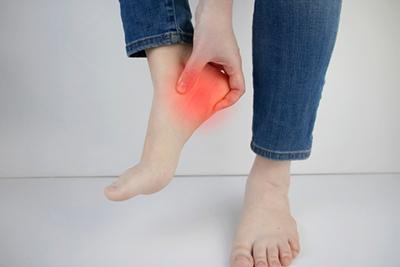
Heel pain can make simple activities like walking, standing, or exercising uncomfortable. While some cases improve with rest, ongoing discomfort often signals an underlying condition that needs attention. At Warner Robins Foot and Ankle in Warner Robins, GA, patients receive comprehensive evaluation and treatment for heel pain, including advanced options such as EPAT shockwave therapy to promote healing and long-term relief.
What Causes Heel Pain?
Heel pain can develop for several reasons, often related to repetitive stress or strain on the foot. The most common cause is plantar fasciitis, a condition involving inflammation of the band of tissue that supports the arch. This typically leads to sharp pain with the first steps in the morning or after periods of rest.
Other causes include heel spurs, tendon injuries such as Achilles tendonitis, stress fractures, and nerve irritation. Wearing unsupportive footwear, standing for long periods, or engaging in high-impact activities can increase the risk of developing heel pain.
Recognizing the Symptoms
Heel pain can present in different ways depending on the underlying cause. Some patients experience sharp pain when first standing up, while others notice a dull ache that worsens throughout the day. Pain at the back of the heel may indicate tendon involvement, while pain along the bottom of the foot is often associated with plantar fasciitis.
Swelling, stiffness, or tenderness in the heel area may also be present. Persistent symptoms should be evaluated to determine the source of discomfort.
How Heel Pain Is Evaluated
A proper diagnosis begins with a detailed discussion of symptoms, activity level, and medical history. A physical exam helps assess foot structure, areas of tenderness, and range of motion. In some cases, imaging may be recommended to rule out fractures or other structural concerns.
Identifying the exact cause of heel pain is essential for selecting the most effective treatment.
Treatment Options for Heel Pain
Treatment plans are tailored to the individual and the underlying condition. Conservative options often include supportive footwear, custom orthotics, stretching exercises, and activity modification. These approaches help reduce strain on the heel and support recovery.
When symptoms persist, advanced treatments may be recommended. EPAT shockwave therapy is a non-invasive option that uses acoustic waves to stimulate blood flow, promote tissue repair, and reduce pain. This treatment can be especially beneficial for chronic plantar fasciitis or tendon-related heel pain.
Benefits of EPAT Shockwave Therapy
EPAT shockwave therapy does not require surgery or downtime, making it an appealing option for many patients. Treatments are typically performed in the office and take only a short time. Over a series of sessions, patients often notice gradual improvement in pain and function.
By promoting the body’s natural healing response, EPAT therapy addresses the underlying condition rather than simply masking symptoms.
Finding Relief from Heel Pain
Persistent heel pain should not be ignored. Early evaluation and targeted treatment can prevent the condition from worsening and help restore comfortable movement. Addressing symptoms promptly allows patients to return to daily activities with less pain and improved mobility.
Heel Pain Treatment in Warner Robins, GA
If heel pain is affecting your daily routine, professional care can help identify the cause and guide effective treatment. Warner Robins Foot and Ankle in Warner Robins, GA, provides personalized care and advanced treatment options, including EPAT shockwave therapy, to support long-term relief.
To schedule an appointment, call (478) 328-2008 and take the next step toward healthier, pain-free movement.